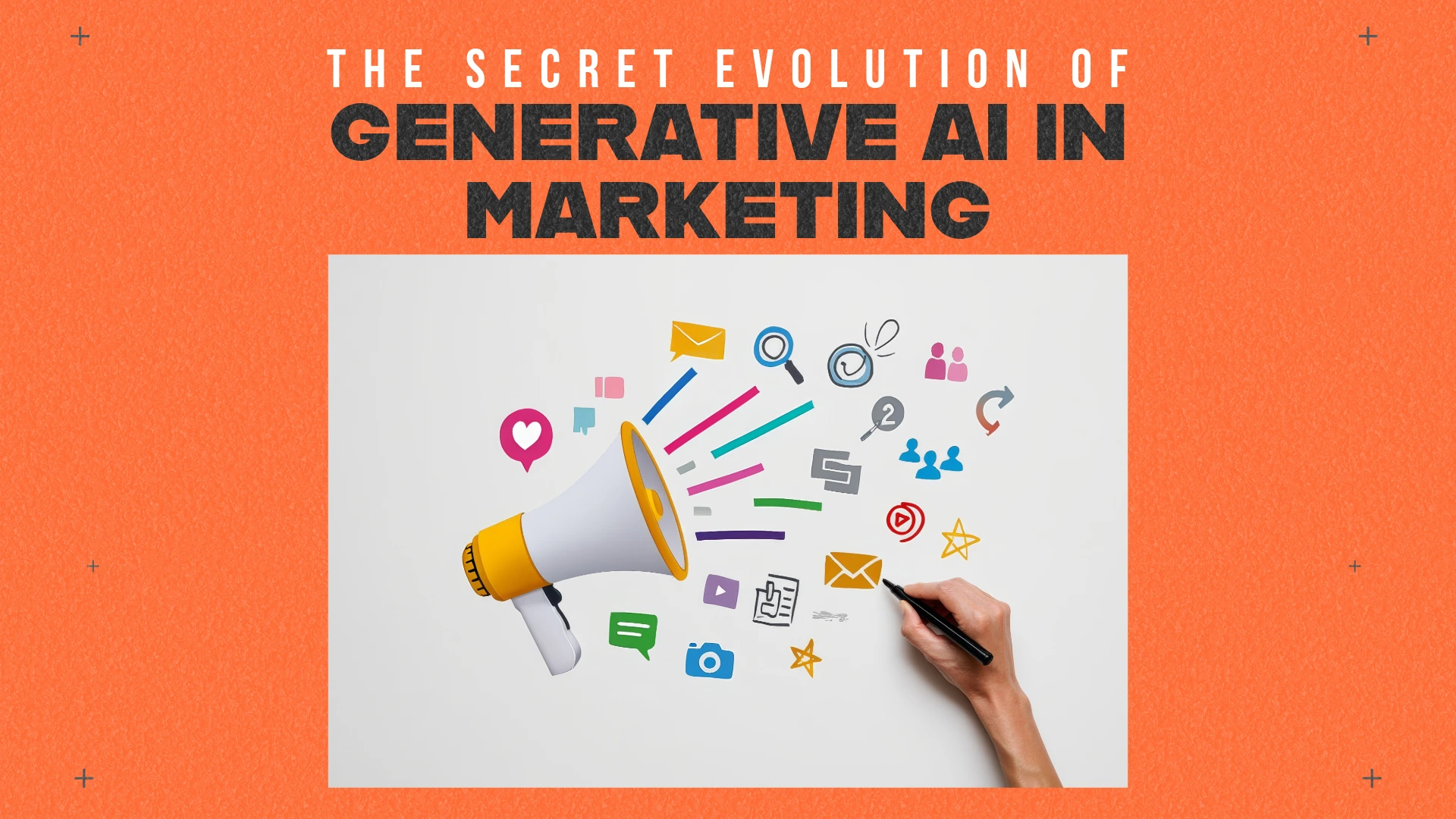

Let’s be honest — marketing teams are under more pressure than ever. You need more content, better visuals, faster turnaround, and all of this on a budget that never seems to grow as fast as the expectations.
That is exactly where generative AI in marketing comes in. It is not just another tech trend. It is a fundamental shift in how brands create, distribute, and scale their marketing content — and the businesses that understand it early are already pulling ahead.
In this guide, we break down exactly what generative AI means for marketers, how it is being used right now, and which areas — image generation, video generation, vector image generation, and audio — are changing the game the most.
What is Generative AI in Marketing?
Generative AI refers to artificial intelligence systems that can create new content — images, videos, text, audio, and more — from simple prompts or inputs. Unlike traditional AI that only analyzes existing data, generative AI actually produces original output.
For marketing, this means you can:
• Generate a product image without a photoshoot
• Create a promotional video without a camera crew
• Produce a voiceover without hiring a voice artist
• Design a brand logo or illustration without a graphic designer
The result? Marketing teams that used to need weeks and large budgets to produce content can now do it in hours — sometimes minutes.
QUICK STAT
75% of marketers have already integrated or are actively experimenting with generative AI in their workflows. If you are not exploring it yet, your competitors almost certainly are.
1. Image Generation — Create Visuals Without a Camera
This is probably the most talked-about application of generative AI in marketing — and for good reason. Image generation tools let you create professional, high-quality visuals from a simple text prompt or an uploaded photo.
For marketers, this means no more expensive photoshoots for every campaign. Need a product image with a summer beach background? Type it in. Need ten variations of the same product in different settings for A/B testing? Generate them all in minutes.
How Marketers Are Using AI Image Generation
- Product photography — generating studio-quality images without a studio
- Social media visuals — creating on-brand graphics for Instagram, Facebook, and LinkedIn
- Ad creatives — producing multiple variations for paid campaigns quickly
- Blog and article images — generating relevant visuals for written content
- Email marketing visuals — creating engaging header images and banners
Popular AI Image Generation Tools
- Adobe Firefly — integrated directly into Photoshop and Illustrator
- Midjourney — highly detailed, artistic image generation
- Google Gemini — multimodal image generation with strong realism
- AfterTaken AI — purpose-built for product photography with 50+ scene templates
PRO TIP
For e-commerce and product marketing specifically, use a dedicated AI product photography tool like AfterTaken AI rather than a general image generator. The results are far more realistic and marketplace-ready.
2. Video Generation — Professional Videos Without a Production Team
Video is the highest-performing content format across almost every marketing channel — but it has always been expensive and time-consuming to produce. Generative AI is changing that completely.
AI video generation tools can now create promotional videos, product demos, explainer content, and short-form social videos from text prompts, images, or even existing footage — no camera, no crew, no editing software required.
How Marketers Are Using AI Video Generation
- Product showcase videos — bringing static product images to life
- Social media Reels and Shorts — generating short-form video content for Instagram, YouTube, and TikTok
- Ad videos — producing multiple video ad variations for testing
- Explainer videos — creating animated or realistic videos to explain products or services
- Personalized video marketing — generating videos tailored to specific audience segments
Popular AI Video Generation Tools
- Google Veo — one of the most advanced AI video generation models available
- Runway ML — professional-grade video generation and editing
- Kling AI — high-quality realistic video generation from images or text
- Higgsfield AI — fast-growing tool for cinematic AI video content
3. Vector Image Generation — Scalable Graphics at Speed
Vector images are essential in marketing — logos, icons, illustrations, infographics, brand elements. Unlike regular photos, vectors scale to any size without losing quality, making them perfect for everything from business cards to billboard advertising.
Traditionally, vector design required skilled graphic designers working in tools like Adobe Illustrator for hours. AI vector image generation is changing this by allowing marketers to create clean, scalable graphics from simple text descriptions or rough sketches.
How Marketers Are Using AI Vector Generation
- Logo design — generating initial logo concepts and brand mark ideas
- Icon sets — creating consistent icon libraries for websites and apps
- Infographics — producing data visualizations and illustrated explainers
- Brand illustrations — generating custom artwork that matches brand identity
- Social media graphics — creating clean, scalable visuals for digital platforms
Popular AI Vector Generation Tools
- Adobe Firefly — vector generation integrated into Illustrator
- Canva AI — text-to-graphic generation with vector export options
- Recraft AI — purpose-built for vector and brand asset generation
- Looka — AI-powered logo and brand identity creation
The key advantage of AI vector generation for marketing is consistency. Once your brand style is defined, AI can generate new assets that match it — without briefing a designer every time.
4. Audio and Text to Speech — Give Your Brand a Voice
Audio is the most underutilized content format in marketing — and AI is making it incredibly easy to change that. Text to speech AI has evolved far beyond the robotic voices of the past. Today’s AI audio tools produce natural, expressive voiceovers that are virtually indistinguishable from human recordings.
For marketers, this opens up entirely new content channels — podcasts, video narrations, product demos, accessibility features, and personalized audio messaging — all without hiring a voice artist or renting a recording studio.
How Marketers Are Using AI Audio and Text to Speech
- Video voiceovers — narrating product demos, explainer videos, and ad content
- Podcast production — creating audio content without recording equipment
- Social media videos — adding professional narration to Reels and Shorts
- Accessibility — making website and marketing content accessible to visually impaired audiences
- Multilingual marketing — generating voiceovers in multiple languages from a single script
Popular AI Audio and Text to Speech Tools
- ElevenLabs — industry-leading voice cloning and text to speech
- Murf AI — professional voiceover generation for marketing content
- Descript — audio and video editing with AI voice generation
- Google Text to Speech — reliable, scalable audio generation via Google Cloud
How to Get Started with Generative AI in Your Marketing
You do not need a massive budget or a technical team to start using generative AI in your marketing. Here is a simple approach:
• Start with one area — pick either image, video, vector, or audio based on where your biggest content bottleneck is right now
• Try free tools first — most AI marketing tools offer free tiers or trial credits
• Set brand guidelines — define your visual style, tone, and brand voice before generating content at scale
• Test and iterate — generate multiple variations and test which performs best with your audience
• Scale gradually — once you find what works, scale your AI content production systematically
Final Thoughts
Generative AI in marketing is not a future concept — it is happening right now, across image generation, video generation, vector design, and audio production. The brands winning in 2026 are those that have embraced these tools not to replace their creative teams, but to multiply their output.
The good news is that getting started has never been easier or more affordable. Whether you are a solo entrepreneur or part of a larger marketing team, generative AI gives you the power to produce content that used to require entire agencies — at a fraction of the time and cost.
Related Articles & Next Steps
Now that you have the complete guide on how Generative AI is transforming marketing in 2026, here are some practical resources to help you implement these ideas right away:
- [What Are Marketing AI Tools? (And Why Your Competitors Are Already Using Them)] – Get a clear overview of the different types of Marketing AI tools and how businesses are using them today.
- [Agentic AI vs Generative AI] – Understand the important difference between these two AI types and when to use Generative AI specifically for marketing campaigns.
- [10 Best AI Tools for eCommerce Sellers in 2026] – See which generative AI tools are actually delivering results for product content, ads, and customer engagement.
- [Top 5 AI Video Generators in 2026] – Learn how to create high-quality marketing videos with tools like Kling, Luma, Pika, and Veo.
- [AfterTaken AI Review] – Discover how to generate studio-quality product images and visuals — one of the most important applications of Generative AI in marketing.
These articles will help you move from theory to real-world implementation and stay ahead in the fast-changing marketing landscape of 2026.
Have you started using Generative AI for your marketing yet? Which tool or strategy are you finding most effective? Share your experience in the comments below!

Pingback: Stop Wasting Money on Mannequin Shoots: Smart Seller's Guide